

Skip to content
Common Prophets of the Jews, Christians & Muslims and Hindus

Common Prophets of the Jews, Christians & Muslims and Hindus

  • Home
  • Stories
    • PERSON
      • ABRAHAMIC
      • HINDU
      • INTERFAITH
    • AREA
      • WORLD
      • INDUS VALLEY
      • WEAST ASIA
    • SUBJECT
      • GEOGRAPHY
      • HISTORY
      • PHILOSOPHY
    • TEXT
      • HINDU
      • BIBLE
      • QURAN
      • INTERFAITH
  • Papers
  • Reviews
    • Hindu
    • Biblical
    • Islamic
    • Archaeologist
  • Video Gallery
  • Author
  • Contact us
  • हिंदी
  • Toggle search form
Historicity of the Garden of Eden

My study suggests that the origin of the Biblical and Quranic religions lies in the Indus Valley and that Moses led the Exodus from there, rather than from Egypt. There is no archaeological evidence of the Hebrews in Egypt around 1446 BCE, the time traditionally associated with the Exodus. In contrast, the Indus Valley Civilization collapsed around 1500 BCE, which led to its people spreading in all directions. Some of these people went to West Asia and they became the Jews.
Moses carried the memories of Adam, Noah, and Abraham from the Indus Valley and that these figures originally lived there.
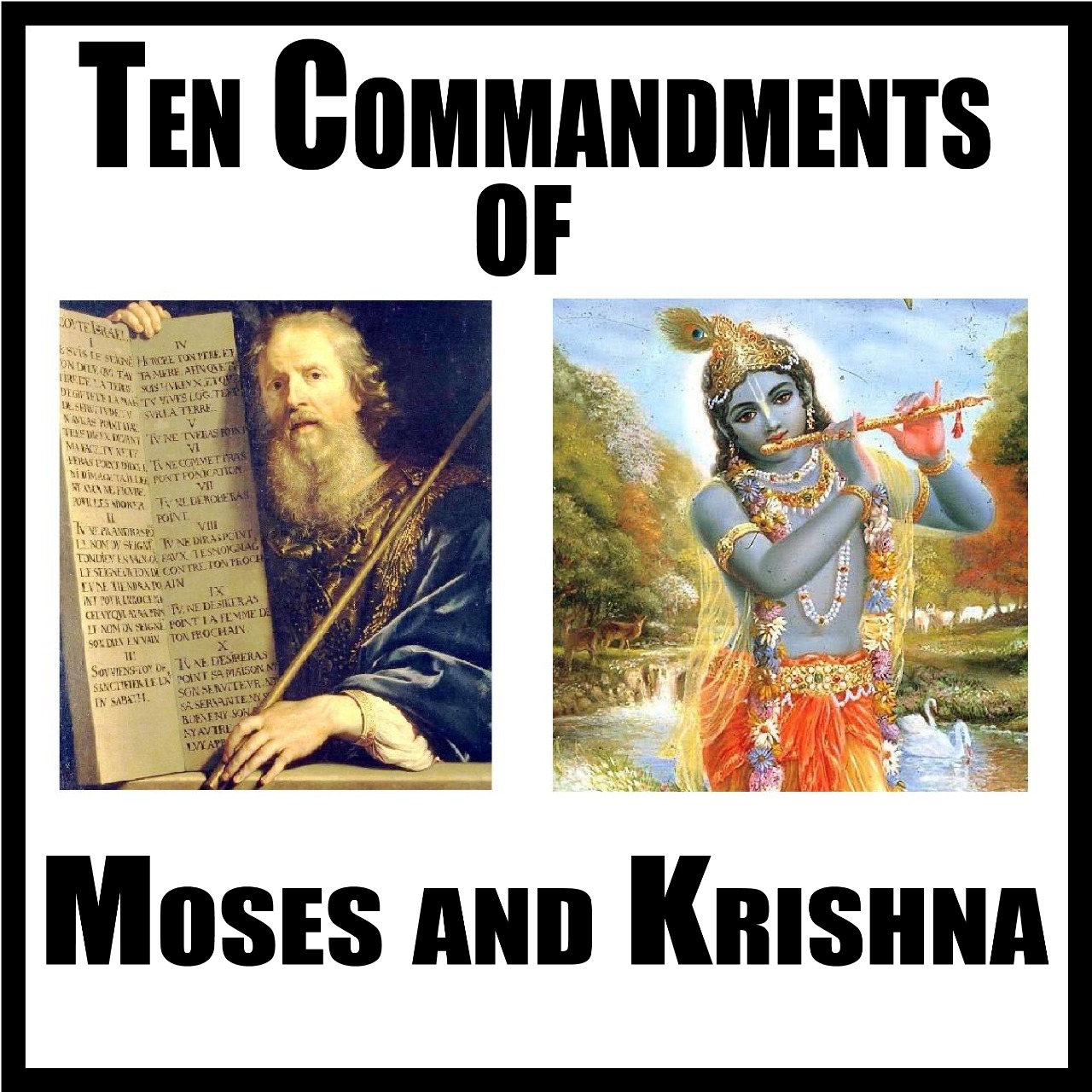
The Mausala Parva of the Mahabharata mentions that Krishna left for an unknown country after the Yadavas killed each other. This unknown country was Israel, implying that Krishna is Moses and that this individual led the Exodus from the Indus Valley to Israel.

  • Theists and Atheists are describing the Same Reality Differently. ANCIENT WORLD
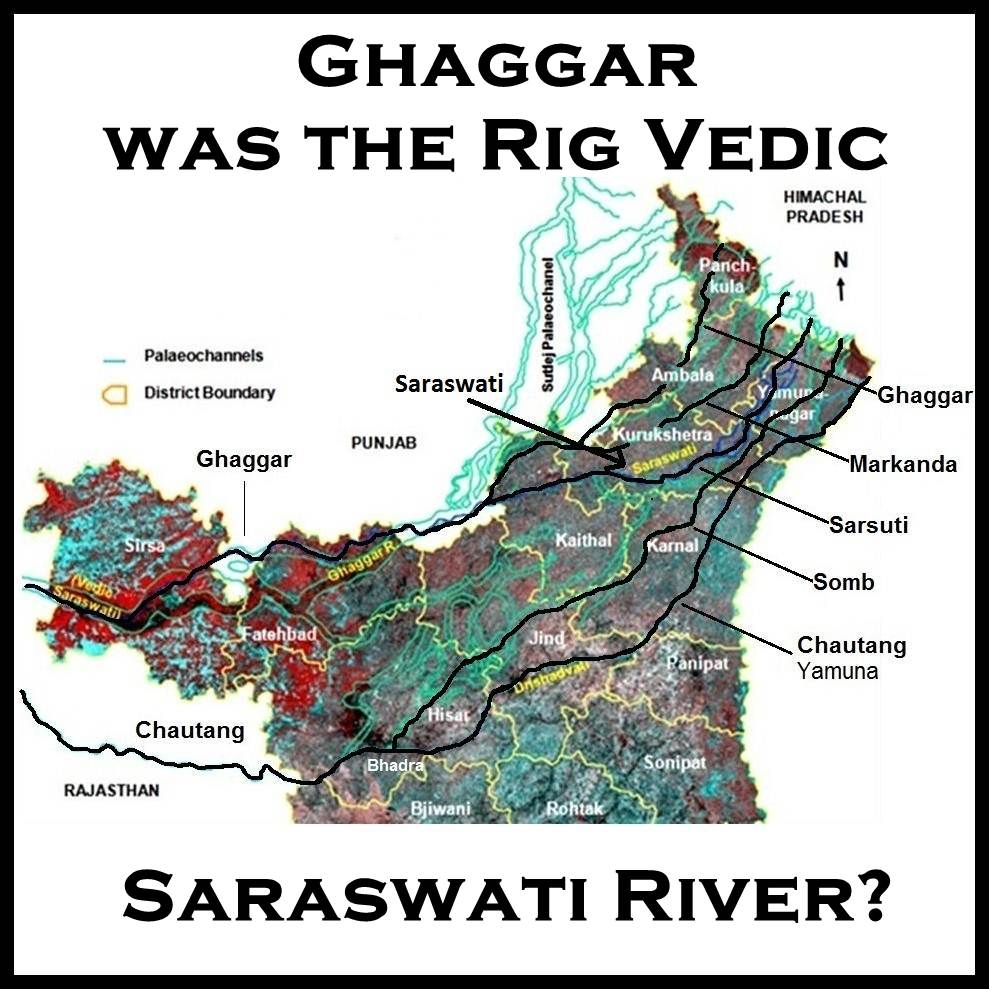
  • Ghaggar was the Rig Vedic Saraswati River? AREA
  • What does the serpent represent in the Bible? ABRAHAMIC
  • Rabbi Joel Labin Biblical
  • ‘Mitsrayim’ of the Bible could be located in the Indus Valley ABRAHAMIC
  • Understanding Devtas and Astrology in Hinduism Area
  • What does the Quran say about reborn? ABRAHAMIC
  • What is the motivation behind the five Common Prophets theory? ANCIENT WORLD

Category: HISTORY

The Semitic religions—Judaism, Christianity and Islam?

Posted on January 26, 2024August 26, 2024 By Bharat Jhunjhunwala No Comments on The Semitic religions—Judaism, Christianity and Islam?

The Semitic religions—Judaism, Christianity and Islam—believe in One God. They also have had a violent history. Our study shows that Semitic Abraham was the same person as Hindu Rama….

Read More “The Semitic religions—Judaism, Christianity and Islam?” »

ABRAHAMIC, AREA, HINDU, HISTORY, PERSON, SUBJECT, TEXT, WEAST ASIA

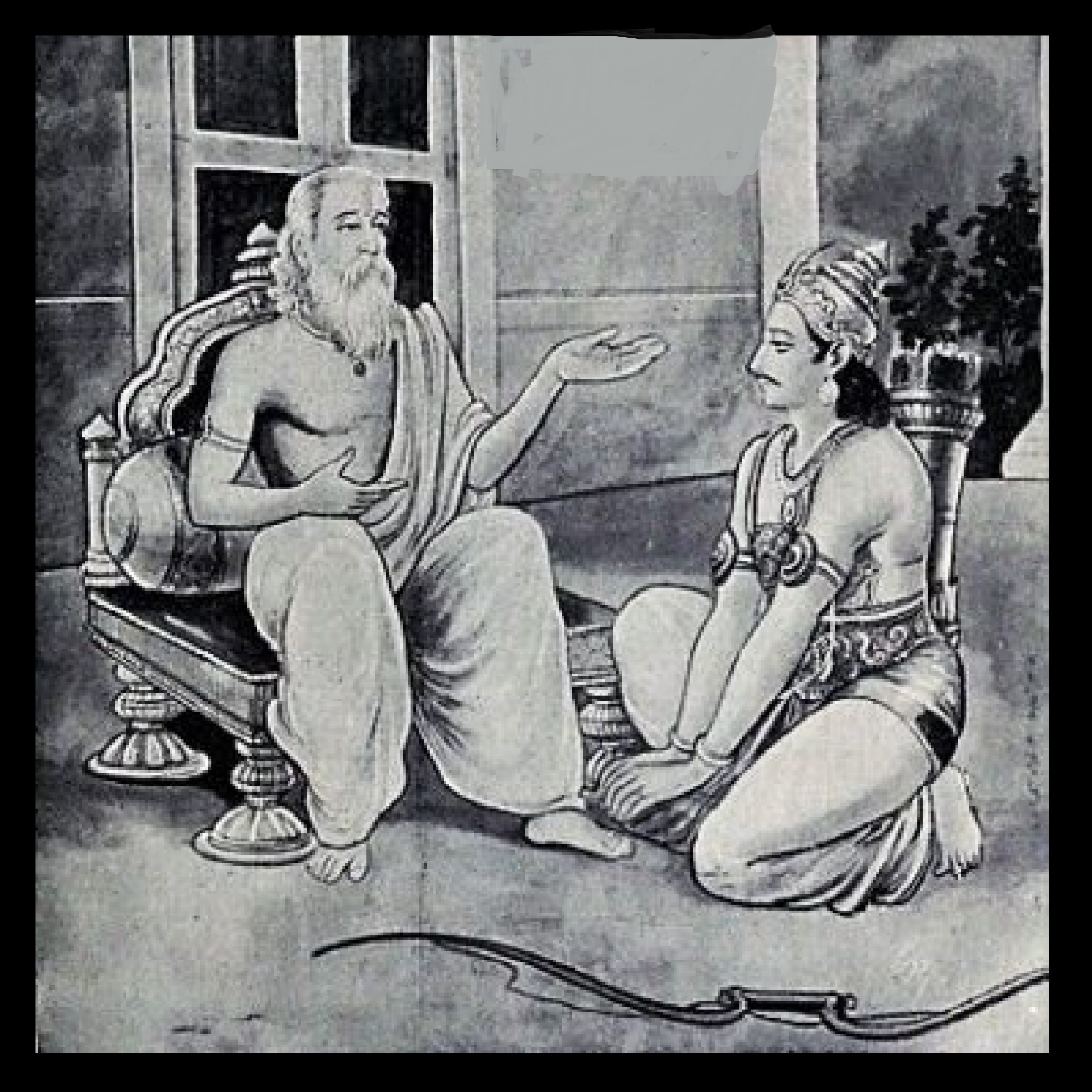
Were Abraham and Rama the same person?

Posted on January 26, 2024August 26, 2024 By Bharat Jhunjhunwala No Comments on Were Abraham and Rama the same person?

Separation of Abraham and Lot Separation of Rama and Lakshmana After his return to Ai, Abraham and Lot had a conflict. Their herdsmen fought with each other and they decided to separate. Lot went to live at Sodom while Abraham went to live at Hebron. Similarly, Rama was engaged some secrete consultation with a Sage…

Read More “Were Abraham and Rama the same person?” »

ANCIENT WORLD, AREA, HISTORY, INTERFAITH, INTERFAITH, PERSON, SUBJECT, TEXT

Abraham living away from Sarah?

Posted on January 26, 2024August 26, 2024 By Bharat Jhunjhunwala No Comments on Abraham living away from Sarah?

“Coming” means that Abraham was living away from Sarah at the time of her death. Then Abraham buried her in the “cave” of Machpelah.Sita too had been expelled by Rama after his return to Ayodhya. Then Rama was undertaking a sacrifice. At this time he once again called Sita so that….

Read More “Abraham living away from Sarah?” »

ABRAHAMIC, AREA, BIBLE, HISTORY, PERSON, SUBJECT, TEXT, WEAST ASIA

Parallel Narratives: Rama and Abraham

Posted on January 26, 2024August 26, 2024 By Bharat Jhunjhunwala No Comments on Parallel Narratives: Rama and Abraham

Abraham, Sarah and Lot went to the south

We have been suggesting that Biblical Abraham, Quranic Ibrahim and Hindu Rama were the same person.This hypothesis is challenged by scholars who correctly argue that mere delineating the similarities of parallels is not sufficient. We should also look at the differences between the narratives. We shall do this now.

Rama, Sita and Lakshmana went to the south

In tracing the differences between the Biblical and Hindu narratives we take the lead from the presidential address at the Society of Biblical Literature given by Professor Samuel Sandmel in 1961.

Professor Samuel Sandmel warned against Parallelomania in a lecture at SBL.

Parallelomania take place when the parallels are highlighted and distinctions are hidden.

Prof Sandmel said that there is a dangerous trend of “Parallelomania”where scholars take disjointed parallels between difference narratives and try to show the identity. Sometimes they artificially also deduce causality as to which narrative came first and which followed. He said that the alleged similarities may not actually exist because scholars do not pay adequate attention to the differences between the narratives.

There are no contradictory narratives in the Biblical and Hindu narratives of Abraham-Rama.

The silences in the Biblical and Hindu narratives give an impression that they are different.

There are two types of differences. First is where the Biblical narrative says a X and the Hindu narrative says Y—which are two different or contradictory statements about the same event. Second is where the Biblical narrative may be silent and the Hindu narrative tells of some event; or the Hindu narrative is silent and the Biblical narrative tells of some event. Now these silences are not necessarily contradictory.

The Bible and Ramayana are like historians talking about Normandy and the Pearl Harbour

The Bible and Ramayana are like historians talking about Normandy and the Pearl Harbour

For example, let us say two person were writing the hinarrative of Second World War. One historian talks about the landing at Normandy while another talks about the Japanese attack on the Pearl Harbour. This does not mean that the two narratives are distinct. It only means that the two narratives are different aspects of the same larger frame. We have to, therefore, distinguish between the differences which are due to silences and differences which are contradictory.

Certain distinctions between the narratives still do not mean that the narratives are not the same. The distinctions can be “irreconcilable” or “superficial.”

Abraham and Lot were same persons as Rama and Lakshmana.

The Bible says that Abraham had two brothers. One of them, Nahor, had a son name Lot. The Biblical narrative of revolves around these four persons–Abraham his two brothers and one nephew. The Hindu narrative also revolves around four persons but all are brothers. Here we have a superficial distinction between the narratives. Whether Lot was nephew or brother does not destabilize the plot.

Terah migrated from Ur Chaldea to Haran to Ai. Rama’s ancestors migrated from Ikshumati to Ayodhya

A distinction is that the Bible tells of Abraham’s father Terah having migrated from a place named Ur Chaldea to Haran where he died. Abraham went onwards to a placed name Ai in Canaan from here. In comparison, the Hindu narrative does not tell of Rama’s father Dasaratha migrating. However, it does say that Rama’s ancestors lived at a place called Ikshumati. It follows that there would have taken a migration from Ikshumati to Ayodhya at some time although the time of this migration is not specified. The parallel, therefore, is that both narratives tell of a migration from Ur Chaldea or Ikshumati to Ai or Ayodhya although the timing of the migration is different. Once again, the distinction is superficial since it does not destabilize the plot.

Abraham was a powerful herdsman while Rama was a king

Abraham was a powerful herdsman while Rama was a king

A distinction is that the Bible speaks of Abraham as a herdsman, very often,a powerful herdsman. On the other hand, the Hindu narrative tells of him being a king. Once again this is a superficial difference is not critical to the narrative.

The Bible is silent on Abraham-Rama being taken by the Sage Vishwamitra to the south.

The Bible is silent on Sarah-Sita being married to Abraham-Rama while returning from the south

Now we come to an important silence in the Ramayana which records the doings of Lord Rama. The text tells of Rama being taken by the Sage Vishwamitra to the south for killing certain demons who were obstructing his sacrifices. Rama got married to Sita while returning from the journey. The Bible is silent on this but this slips into the Biblical narrative without a hiccup.

Abraham, Sarah and Lot went to the south just as Rama, Sita and Lakshmana went

Abraham, Sarah and Lot went to the south just as Rama, Sita and Lakshmana went

The next point is that Abraham-Rama travels to the south in both the narratives. Abraham is accompanied by his wife Sarah and his nephew Lot whereas Rama is accompanied by his wife Sita and his brother Lakshmana. The travel to the south is attested in the both the narratives.

A distinction is that the Bible says that there was a famine in the land of Canaan which led Abraham to migrate to the south. The Hindu narrative dose not talk about such a famine. Instead, it tells in great details about a palace intrigue. It says that the Dasaratha, father of Rama, had three wives. He had given a boon to one of his wives–Kekeyi. She invoked this boon when Dasaratha wanted to install Rama on the throne of Ayodhya and insisted that Rama should be exiled for fourteen years and her son Bharata should be installed on the throne. This intrigue led to Rama traveling to the south.

Now, the famine and the intrigue could happen at the same time. These can go together. The Bible talks about the famine while the Hindu texts talk about the intrigue. The two narratives are not contradictory.

Rama-Abraham crossed the Ganga River while traveling to the south. The Bible is silent on this.

While Rama travelling to the south, the Ramayana gives a large number of events. These include visiting Sage Bharadwaj, crossing the Yamuna and Ganga rivers, killing of a number of demons like Viradh, visiting the hermitage of sage Agastya and so on.

Rama-Abraham settled in the south at Panchvati-Mitsrayim.

Rama settled at a place called Panchvati after these events. The Bible is silent on these events. These things could happened in the life of Abraham and the Biblical may not have recorded them.

Sarah-Sita was taken to the palace of Pharaoh-Ravana

Sarah-Sita was abducted by Pharaoh-Ravana

The Biblical narrative tells of Abraham reaching Mitsrayim in the South. The people of Mitsrayim found that Sarah was beautiful. They reported this to the Pharoah and they her to the Pharaoh’spalace. The Hindu narrative is much longer. It tells of Surpanakha, sister of the king of south name Ravana, coming to Panchvati and requesting Rama or Lakshmana to marry her. She went to Ravana upon being rebuffed. Then Ravana pledged to take revenge with Rama. This led toRavana coming to Panchvati, abducting Sita and taking her to his palace in Lanka.

We can see that the taking of Sarah-Sita to the palace of the king of the south is the same in the two narratives. The difference is that the Biblical narrative does not give much details. It only says that Sarah was taken to the palace whereas the Hindu narrative gives details about the conflict with Supanakha, Ravana coming to abduct her, and taking her to Lanka. The two narratives are parallel.

An interesting event happened in the south. Abraham told Sarah to speak to the people of south that she was his sister and not his wife. He thought that people of the south would kill him and in order to take Sarah if she said that she was his wife. Then, in the south, Sarah said that she was Abraham’s sister and the people of the south took her to the Pharaoh. Later, in the Biblical narrative, Abraham said that Sarah was the daughter of his father but not of his mother. She was his half-sister and became his wife.

Stutterheims’ legend of Rama tells of Sita being daughter of Dasaratha.

The Malayan legend of Rama tells of Sita being daughter of Dasaratha.

The Ramayana does not talk about this event. But the Malayan legend of Rama tells of an incident. It says that Dasarata had once visited Lanka. While Ravana had gone to be with his first wife, Dasarata cohabited with his wife Mandu Daki, likely referred to as Mandodari in the Ramayana. The daughter born of that union was Sita.

Sarah was half-sister of Abraham just as Sita was half-sister of Rama.

The Ramayana confirms that Sita was Born in Lanka. Here the Malayan legend and Ramayana are parallel that Sita was born in Lanka. The Ramayana is silent about her father while the Malayan legend says she was daughter of Dasaratha, father of Rama. Later, the Valmiki Ramayana says that Sita was thrown into the sea and was picked up by King Janaka and married with Rama. Both the narratives, therefore, indicate that Sita could be the daughter of Terah-Dasaratha. Thus, the Bible says Sarah was Abraham’s father’s daughter while the Ramayana is silent.

The Pharaoh did not touch Sarah just as Ravana did not touch Rama.

The King James Version of the Bible says that while returning Sarah to Abraham the Pharaoh said to Abraham that you should told me that she was your wife because “I might have touched her.” This indicates that he had not touched her. The Ramayana confirms that although Ravana had not touched her. Both the narrative are parallel that Sarah-Sita had not been touched by Pharaoh-Ravana.

Towards the end of Abraham’s stay in the south, the Bible says that the Pharaoh’s house was struck with troubles. It does not tell what those troubles were. Yet, because of these troubles the Pharaoh decided to return Sarah to Abraham.

Rama-Abraham crossed the sea to attack Lanka-Mitsrayim.

Rama-Abraham brought troubles to Pharaoh-Ravana.

Read More “Parallel Narratives: Rama and Abraham” »

ANCIENT WORLD, AREA, HISTORY, INTERFAITH, INTERFAITH, PERSON, SUBJECT, TEXT

Are the Hebrews’ and Yadavas’ Killings the Same Event?

Posted on January 26, 2024August 26, 2024 By Bharat Jhunjhunwala No Comments on Are the Hebrews’ and Yadavas’ Killings the Same Event?

Hebrews killed each other at Sinai:

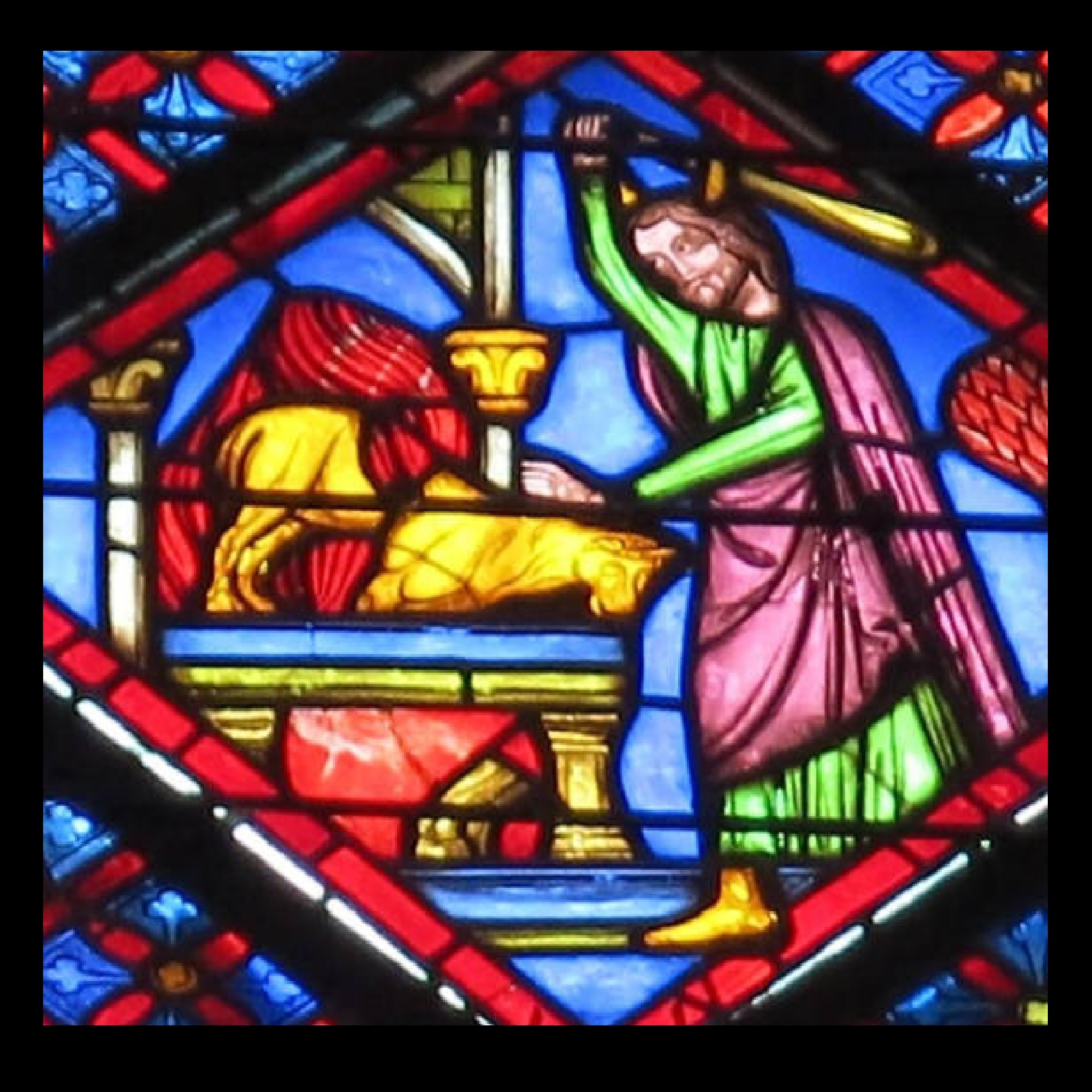
The Hebrews were encamped at Mount Sinai at Taftan Volcano during the Exodus. Moses went up the mountain to worship. He delayed coming down. At this time Moses’ brother….

Read More “Are the Hebrews’ and Yadavas’ Killings the Same Event?” »

ANCIENT WORLD, AREA, HISTORY, INTERFAITH, INTERFAITH, PERSON, SUBJECT, TEXT

Challenges of Living Traditions in Identifying Prophets or Avatars

Posted on January 26, 2024August 26, 2024 By Bharat Jhunjhunwala No Comments on Challenges of Living Traditions in Identifying Prophets or Avatars

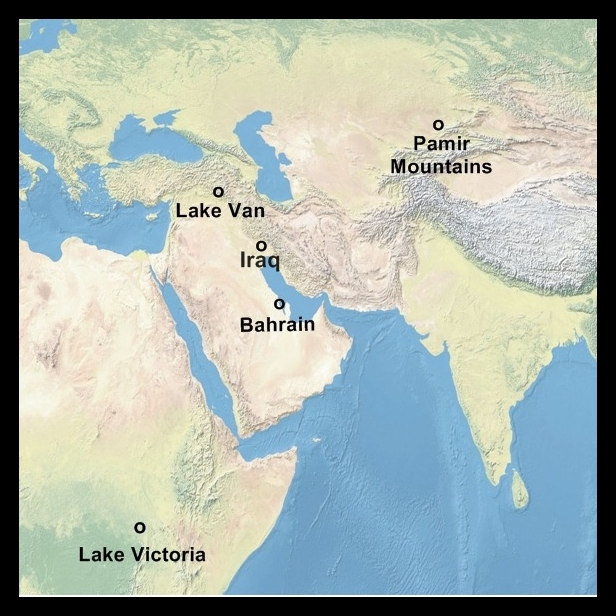
There are number of places where the Garden of Eden is supposed to have been located. These are located at as varied places as Lake Victoria in Africa in Iraq at confluence of Tigris. Euphrates at Lake Van in turkey in Bahrain or in the Pamir Mountains. So people at all these places believe that…

Read More “Challenges of Living Traditions in Identifying Prophets or Avatars” »

ANCIENT WORLD, AREA, HISTORY, INTERFAITH, INTERFAITH, PERSON, SUBJECT, TEXT

Biblical Story of Creation is rooted in Enuma Elish or Vayu Purana?

Posted on January 26, 2024August 22, 2024 By Bharat Jhunjhunwala

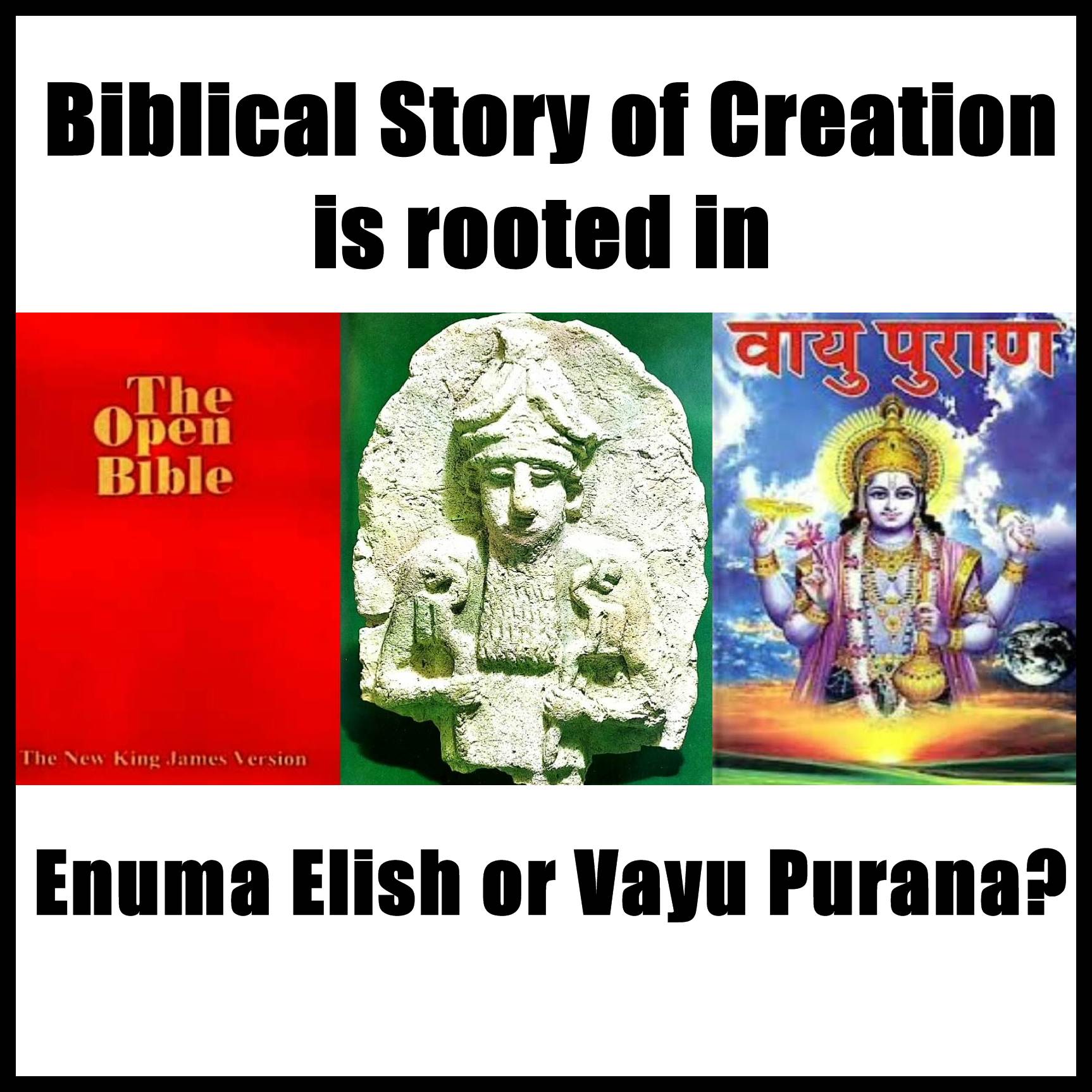
Sumerian Civilization| Enuma Elish | Vayu Purana| Bible| Atrahasis It is usually believed that the origins of the Biblical stories of creation lie in the Sumerian Civilization of which we have one major legend call Enuma Elish. It has been suggested that the Biblical narrative of creation and that of Enuma Elish are parallel. In…

Read More “Biblical Story of Creation is rooted in Enuma Elish or Vayu Purana?” »

ANCIENT WORLD, AREA, HISTORY, INTERFAITH, INTERFAITH, PERSON, SUBJECT, TEXT

Mahabharata at 1500 BCE.

Posted on January 26, 2024August 26, 2024 By Bharat Jhunjhunwala No Comments on Mahabharata at 1500 BCE.

Beginning of the Kali Yuga | Aryabhata | Conjunctions:

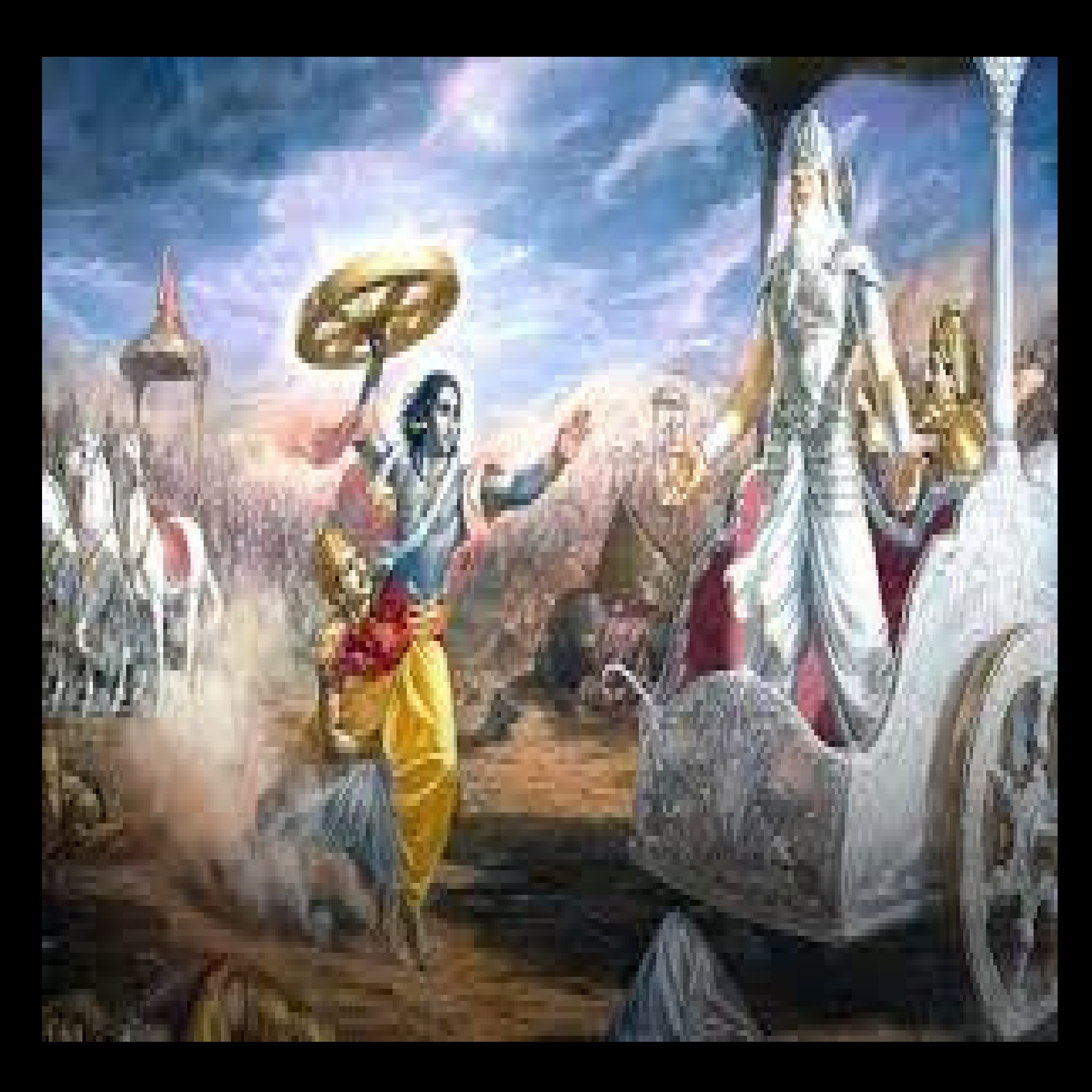
The most popularly accepted date for the Mahabharata War is around 3100 BCE. The core argument for placing the War at this time is the beginning of the Kali Yuga. Aryabhata states….

Read More “Mahabharata at 1500 BCE.” »

AREA, HINDU, HISTORY, INDUS VALLEY, INTERFAITH, PERSON, SUBJECT, TEXT

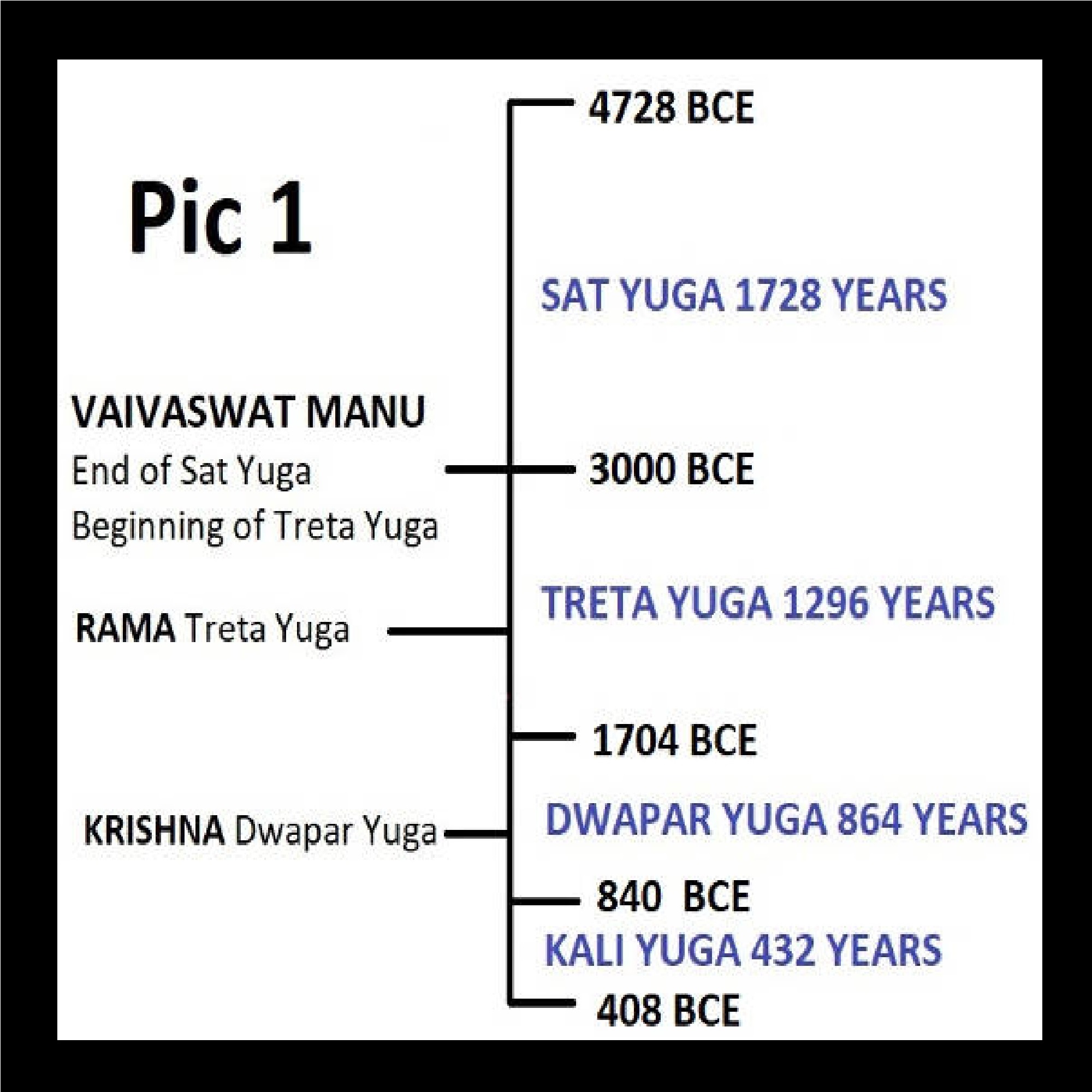
Kalpa, Manvantara and Yuga

Posted on January 26, 2024August 26, 2024 By Bharat Jhunjhunwala No Comments on Kalpa, Manvantara and Yuga

We are presently living in the Kali Yuga of the 28th Chaturyuga. In this post we will reexamine the Hindu timelines in the light of evidences from astrology, archaeology and genealogy and build a revise time line that runs parallel to the Abrahamic tradition. We propose to do this by first determining the time period…

Read More “Kalpa, Manvantara and Yuga” »

AREA, HINDU, HINDU, HISTORY, INDUS VALLEY, PERSON, SUBJECT, TEXT

Did the Yadavas have a conflict over straw in the Indus Valley?

Posted on January 26, 2024August 26, 2024 By Bharat Jhunjhunwala No Comments on Did the Yadavas have a conflict over straw in the Indus Valley?

Krishna abandoned Dwarka after ill-omens appeared there; and led the Yadavas to Prabhasa. Here the Yadavas indulged in a quarrel and killed each other. Arjuna came to know of this soon and came to Dwarka. At this time Vasudeva told Arjuna….

Read More “Did the Yadavas have a conflict over straw in the Indus Valley?” »

ABRAHAMIC, AREA, HISTORY, INDUS VALLEY, PERSON, QURAN, SUBJECT, TEXT

Posts navigation

Previous 1 2 3 Next

Join our WhatsApp Group

Subscribe Posts

Buy Now Our Book

  • Buy Amazon Rs 400 for India
  • Buy Amazon $ 6.12 for Kindle
  • Buy Amazon $ 19.99 for Other
  • Torah-Hindu Parallels in the Narratives of Five Persons Ancient World
  • Is the land of Israel mentioned in the Bible? ABRAHAMIC
  • What is the collective unconscious gods? ABRAHAMIC
  • Biblical Story of Creation is rooted in Enuma Elish or Vayu Purana? ANCIENT WORLD
  • Are the Jews of Israel really the Yadavas of India? AREA
  • Were Abraham and Rama the same person? ANCIENT WORLD
  • Which country is Garden of Eden located? ABRAHAMIC
  • Who is Brahman? ANCIENT WORLD

Common Prophets of the Jews, Christians, Muslims and Hindus

Address: Lakshmoli, Kirti Nagar, District Tehri, Uttarakhand, 249161, India

Phone no : +91-9917144777

Email: bharatjj@gmail.com

Recent Post

  • Allah or Brahman are the same
  • Hindu Idol Worshippers are not kafir
  • Reincarnation in Islam
  • Concordance of Islamic Concepts of Allah and Malaa’ykaas and Hindu Concepts of Brahman and Devtas
  • Does Quran reject idol worship?

Visitor counter

Search

Copyright © 2024 Common Prophets of the Jews, Christians, Muslims and Hindus.